
Miscellaneous
What is fatty liver disease?
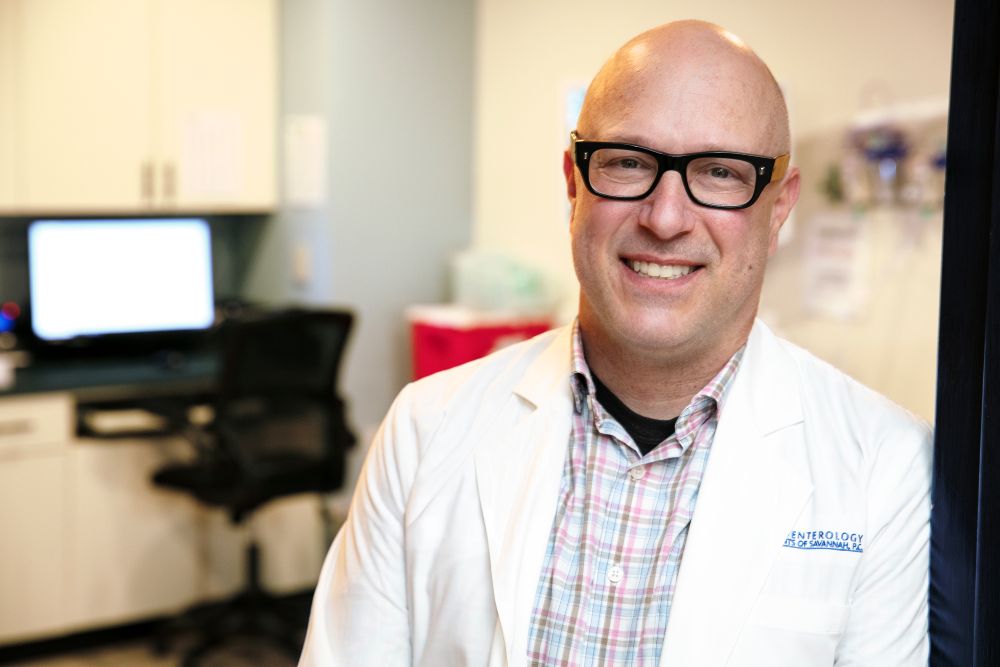
Savannah Gastroenterologist Dr. Matthew Mishoe explains this rapidly increasing diagnosis
Don’t let the name fool you. Just because it’s called fatty liver disease doesn’t mean you’re fat or that you will one day be diagnosed with it if you are overweight.
“I’ve had patients that don’t weigh 100 pounds and they’ve never had a drink of alcohol in their life, yet they have cirrhosis because of an undiagnosed fatty liver,” says Dr. Matthew Mishoe, gastroenterologist with Gastro Savannah. “I’ve also seen people who meet criteria for obesity, and they don’t have fatty liver disease."
So what is fatty liver disease?
Also known as metabolic dysfunction-associated steatotic liver disease (MASLD), fatty liver disease occurs when fat builds up in your liver due to extra body weight, high blood sugar, high cholesterol or high blood pressure.
The liver works as a filter, and when it can’t filter all the fat that accumulates, it can lead to an inflammatory response, explains Dr. Mishoe. If not treated, that inflammatory response can lead to scarring, which is cirrhosis of the liver.
“It’s very important to figure out what’s going on early,” Dr. Mishoe says. “If we can find a way to eliminate the fatty accumulation within the liver, the liver can get better. When you get to the point of chronic scarring or cirrhosis, you are never going to get back to that 18-year-old liver you had.”
Unfortunately, there are not necessarily warning signs of a fatty liver. However, you are at an increased risk if you:
- Have excess weight, especially having too much belly fat
- Have high cholesterol or high triglycerides
- Have type 2 diabetes
- Have high blood pressure
On top of that, fatty liver disease also tends to be an incidental diagnosis, Dr. Mishoe says. Meaning, you may be getting an ultrasound or MRI looking for something else when it shows a fatty liver.
Fatty liver disease also can be detected through routine lab work that may show elevated numbers related to your liver. You primary care provider may monitor those numbers, and if they don’t decrease, refer you to a specialist like Dr. Mishoe.
“There are a lot of physicians that are keeping their eye out for elevated liver numbers now because it is becoming such a problem,” Dr. Mishoe says. “Fatty liver disease is the No. 1 cause of chronic liver disease, and it’s very common in America and other countries.”
How do you treat it?
As long as there aren’t other underlying causes or pre-existing conditions, you can treat fatty liver disease with diet and exercise. Weight loss is the ultimate goal, but again, even if you are skinny, exercise is still very important, Dr. Mishoe stresses. There are also certain medications that can help combat fatty liver disease.
If you do have a pre-existing condition, such as diabetes or high blood pressure, you also want to make sure you are monitoring those and taking all your medications as prescribed.
“Just like most things in medicine, if we can figure out what’s going on early and get it treated early, then you can help eliminate some of the chronic issues that could arise,” Dr. Mishoe says.
While Dr. Mishoe admits the liver is his favorite organ, as a gastroenterologist, he also can diagnosis and treat many conditions of the colon, esophagus, stomach and other organs. Learn more here.