
Neurology
How Parkinson’s disease affects the GI tract
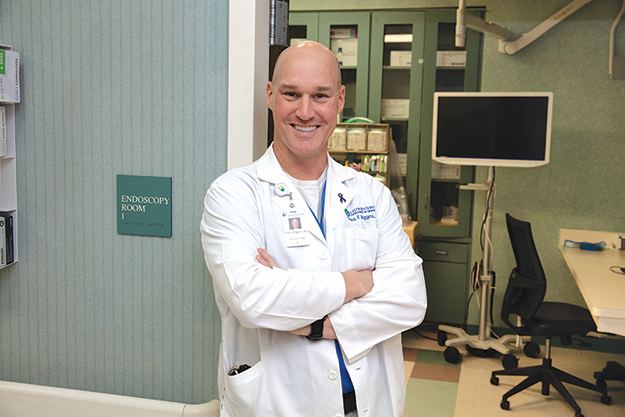
Savannah Gastroenterologist Dr. Travis Wiggins explains how at any stage of this progressive disease, as well as other movement disorders, patients may experience gastrointestinal symptoms
Interested in this topic? Have a movement disorder? Sign up for our 2026 Movement Disorder Seminar now!
When you think of Parkinson’s disease, symptoms that probably come top of mind include hand tremors, shaking or really slow movements.
And you’d be right. Parkinson’s disease is a progressive neurodegenerative disorder affecting movement, balance and motor control.
But emerging research in the last five to 10 years shows another area of our body besides the brain that Parkinson’s disease and other movement disorders affects, and it may be surprising.
It’s your gastrointestinal tract.
“Not 100 percent of Parkinson’s patients will experience GI symptoms, but it’s an interesting recognition that there are a variety of ways Parkinson’s can present,” says Dr. Travis Wiggins, gastroenterologist with Gastro Savannah.
Dr. Wiggins has been following the research and clinical trials about the gut-brain relationship over the last several years. He will speak to the connection of the GI tract and movement disorders at the St. Joseph’s/Candler 2026 Movement Disorders Seminar on May 6. (Details below.)
How Parkinson’s and other conditions affect the GI tract
GI symptoms can present in Parkinson’s patients at any stage of the disease. In fact, we are learning some patients experience symptoms, specifically constipation, pre-dating motor and cognitive decline by 10 to 15 years, Dr. Wiggins says.
“We think of Parkinson’s as being a primarily neurologic brain disease, which it is, and because of that we think these motor disorders start first. But, a lot of times it’s the opposite way around,” Dr. Wiggins says. “It doesn’t happen in every patient but we are finding GI symptoms, especially some constipation, can be the initial symptom.”
Constipation is the most common symptom of Parkinson’s throughout the disease’s progression, but some people may experience other GI side effects including difficulty swallowing and excessive drooling, Dr. Wiggins says. Sometimes that can lead to aspiration pneumonia, nausea and the stomach not emptying well.
In more advanced stages of Parkinson’s disease, patients may not only experience constipation, but when they do have a bowel movement, it often leads to fecal incontinence.
“A lot of these symptoms can really impair quality of life for folks with movement disorders, especially Parkinson’s,” Dr. Wiggins says.
Other neurological disorders that may result in GI side effects include alzheimer’s, Lewy Body dementia and multiple sclerosis.
You don’t have to live with these symptoms
“I tell any Parkinson’s patient or anyone that asks, if symptoms are bothersome or tend to impend quality of life that’s an indication to come see us,” Dr. Wiggins says.
While there’s no cure for Parkinson’s, there are medications and therapies available to help if you do experience GI side effects.
Dr. Wiggins also recommends following a healthy diet, such as the Mediterranean diet, which is more of a style of eating than a diet that includes no processed foods, low carbohydrates and lots of vegetables, fruits, whole grains and lean proteins.
Related Article: Should I try the Mediterranean diet?
About the St. Joseph’s/Candler Movement Disorders Seminar
The 2026 SJ/C Movement Disorders Seminar fosters education, community and promotes useful resources to patients and caregivers to navigate their movement disorder journey. The seminar features educational sessions and access to local health vendors and providers.
This year’s seminar will be held on Wednesday, May 6, at the Armstrong Center at Georgia Southern’s Savannah Campus. Registration and vendor fair starts at 9:30 a.m. and the program ends at 3 p.m. Lunch will be provided.
In addition to Dr. Wiggins, St. Joseph’s/Candler Neurologist Dr. Jill Trumble will also speak. There will also be exercise examples presented throughout the day.
For more information and to register for the seminar, please visit our website.