
Miscellaneous
What is sepsis?
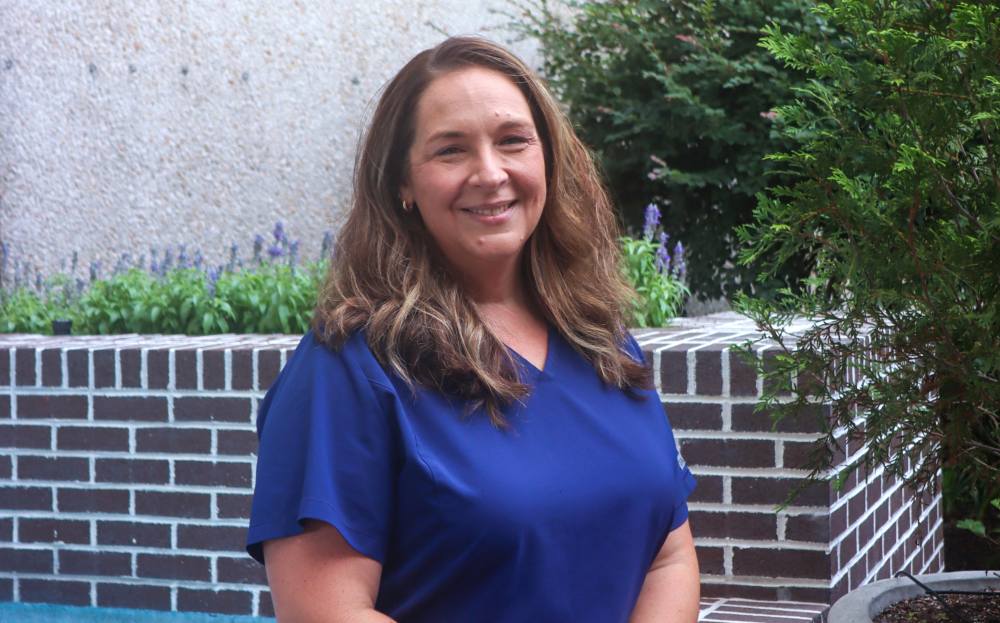
St. Joseph’s/Candler Sepsis Coordinator Liz McClellan discusses symptoms and why TIME is of the essence
Key Takeaways:
- Sepsis is the body’s overwhelming response to an out-of-control infection
- Sepsis is considered a medical emergency just like heart attack or stroke
- Signs of sepsis include fever, shortness of breath, rapid heartbeat and more
- Sepsis can be treated when recognized in a timely manner
It’s one of the deadliest conditions that occurs in the United States. Yet, many people don’t know about it or don’t fully understand.
It’s sepsis, which is the body’s extreme response due to an overwhelming infection that has gotten out of control, explains Liz McClellan, St. Joseph’s/Candler Sepsis Coordinator.
“Sepsis is considered an emergency just like a heart attack or stroke, and you should seek medical treatment as soon as possible,” McClellan says.
You may have heard sepsis in the news a couple of months ago following the tragic announcement of NASCAR driver Kyle Busch’s unexpected death at just 41. He died suddenly following a case of pneumonia that led to sepsis.
Unfortunately, that wasn’t a one-off. Around 350,000 adults die each year in the United States from sepsis, according to the Sepsis Alliance.
And more than 85 percent of sepsis cases start at home. That’s why it’s so important to understand this deadly condition.
What causes sepsis?
Sepsis is the body’s overwhelming response to an infection (most commonly a UTI, pneumonia or cellulitis/wounds), which can lead to tissue damage, organ failure and death, says McClellan. Like strokes and heart attacks, sepsis is a medical emergency that requires rapid diagnosis and treatment.
Anyone with an infection can get sepsis, but some people are at a higher risk including the very young, the elderly, those with certain chronic diseases, such as cancer or liver disease, or a weakened immune system.
“It’s a very real and serious thing,” McClellan says. “It could start with something as common as a UTI that you don’t think can make you that sick, but it can become very, very serious, especially if it goes untreated or the treatment is failing.”
It’s all about TIME
We know sepsis starts with an infection. If that infection has advanced to sepsis, symptoms may include one or a combination of the following:
- Fever
- Fast breathing
- Rapid heart rate
- Shortness of breath
- Altered mental status
“When a patient is septic, every hour that goes by, the mortality of that patient increases eight to 10 percent,” McClellan says. “Time is really of the essence. As soon as you recognize something isn’t right, you don’t feel well, you definitely need to get checked out.”
The Sepsis Alliance came up with the acronym TIME. If you develop a combination of the following symptoms you should seek emergent care:
T – Temperature: Higher or lower than normal
I – Infection: May have signs and symptoms of an infection
M – Mental decline: Confused, sleepy or difficult to rouse
E – Extremely ill: Severe pain, discomfort or shortness of breath
So if you feel something isn’t right, especially if you have an infection, you should get to the emergency room immediately.
How do you treat sepsis?
Treatment typically starts with immediate antibiotics, lab work and fluids. The antibiotics fight the infection while the fluids work to help your blood provide oxygen and nutrients to your body’s tissues and organs.
Then, based on lab and other test results, your healthcare providers will determine if further treatment is needed.
“Sepsis affects everybody differently. That’s one of the hardest things about sepsis – It’s not one size fits all,” McClellan says. “You may have a certain type of infection and another person has the same type of infection, but each person manifests the infection differently. That person’s sepsis may affect the heart, where the other’s might affect their kidneys.”
Delaying sepsis treatment or leaving sepsis untreated can lead to renal failure, heart failure, cause damage to other vital organs or even death.
“If you are being treated for an infection at home or think you might have an infection and haven’t sought treatment yet, being able to recognize the symptoms of sepsis early could save your life,” McClellan adds.
Can sepsis be prevented?
It starts with awareness. Be aware if you have an infection, take all your antibiotics and keep TIME in mind.
“If you are prescribed an antibiotic for an infection and you are not seeing any improvements in your symptoms within 48 hours, you need to follow back up with your provider,” McClellan says. “Also, if you do start to feel better and have an improvement in your symptoms, be sure you continue to take those antibiotics for the full prescribed time.”
You can also take measures to try to prevent getting an infection in the first place including:
- Washing your hands thoroughly and frequently
- Caring for wounds, keeping them clean to avoid infection
- Treating all infections seriously
- Taking antibiotics as directed
- Staying up-to-date with vaccinations against illnesses such as the flu and pneumonia
- Seeing your primary care physician annually
It’s also important to keep in mind that you can develop sepsis without even knowing you have an infection. That’s why it’s so important to pay attention to your body and when you think something is wrong seek care.