

What is the aortic root?
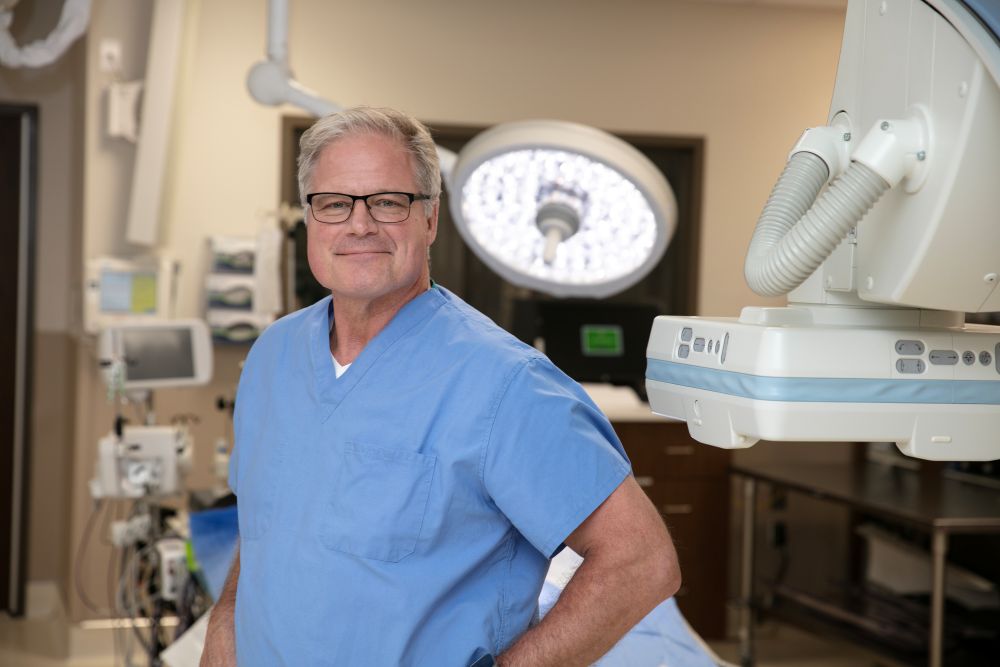
St. Joseph's/Candler Cardiothoracic Surgeon Dr. Chris King explains why a critical heart junction sometimes requires cardiothoracic surgery
Where the heart ends and the vascular system starts, you find the aortic root. It’s the very beginning of the aorta, your cardiovascular system’s main highway, which distributes oxygen-rich blood to every organ. The aortic root is the junction where the heart muscle meets the blood vessel tissue, and helps keep your blood moving in the right direction.
“Inside the root sits your aortic valve, which acts like a one-way door, opening and closing with every heartbeat to prevent blood from flowing backward,” explains Dr. R. Chris King of St. Joseph’s/Candler Physician Network – Cardiothoracic Surgery. “A tough, fibrous ring anchors the valve, and right above it are small bulges in the vessel wall. These bulges feed the coronary arteries, which deliver oxygen and nutrients to the heart muscle itself. So if any structural weakness or stretching occurs at the aortic root, we will need to watch it closely. If it is stretched beyond a certain size, then surgery is the next step."
A stretch too far
When the aortic root is permanently stretched out, it is called an aortic root aneurysm. Because this condition rarely causes physical symptoms, it is most commonly discovered by accident. For example, the imaging done for a chest X-ray or an echocardiogram might also reveal a bulge at the base of the aorta.
“When patients hear the word aneurysm, they naturally get a little panicked,” Dr. King says. “But I counsel them and explain that, in this case, an aneurysm simply means the wall of the root has stretched out. And it’s good that it was found because now we can keep our eye on it.”
Unless it is exceptionally large right when discovered, an aortic root aneurysm is put on surveillance. Patients undergo imaging every 12 months to measure the diameter of the root down to the millimeter.
“At the same time, we will work on getting your blood pressure down,” Dr. King says. “Certain patients can avoid surgery just by controlling their blood pressure.”
But if the root stretches beyond five centimeters, the risk of a dangerous complication increases. This can include a leaky aortic valve. Because the valve sits inside the root, a stretching wall can pull the valve flaps apart, causing blood to leak backward into your heart. If this leakage becomes severe, Dr. King will surgically repair the root even if the aneurysm is still under five centimeters.
Woven for strength
Currently, an aortic root repair can only be done through traditional open-heart surgery. Patients are placed on a heart-lung bypass machine, which breathes and pumps blood for the body so the heart can be kept still during the procedure. Dr. King will then replace the stretched-out root with a woven fabric tube called a polyester graft. The tightly interlocked weave of the tube gives this artificial root incredible strength.
“If the aortic valve inside is healthy and functioning well, we can preserve it while replacing the damaged root tissue,” Dr. King says. “This allows those patients to avoid taking blood-thinning medication.”
If left untreated, a largely stretched aneurysm puts a person at risk for an aortic dissection, which is a sudden, life-threatening tear in the artery wall. A dissection presents as a sudden, searing chest pain—often described as the worst pain of a person's life—and requires emergency surgery.
A close watch
Dr. King understands that the discovery of an aortic root issue can be anxiety-inducing. He reminds patients that there are steps they can take to stay healthy and manage the condition. Controlling your blood pressure through medication and lifestyle changes, such as exercising and quitting smoking, can reduce the stress on your aortic wall.
“Keeping heart-healthy habits and sticking with an annual imaging routine will help us take care of you as we keep a close watch on your heart,” Dr. King says. “Part of my goal as a physician is to give my patients peace of mind, knowing that if the time ever comes when we need to step in and repair your aortic root, we have a safe and successful procedure ready for you.”Smart Health, Smart Living - The Latest Delivered to You
Want more health stories on topics that impact the health and wellbeing of you and your family? Learn about new technology, treatment options and how you can live a smarter, healthier life in our Smart Living publication.