
Neurology
There’s nothing small about a mini-stroke
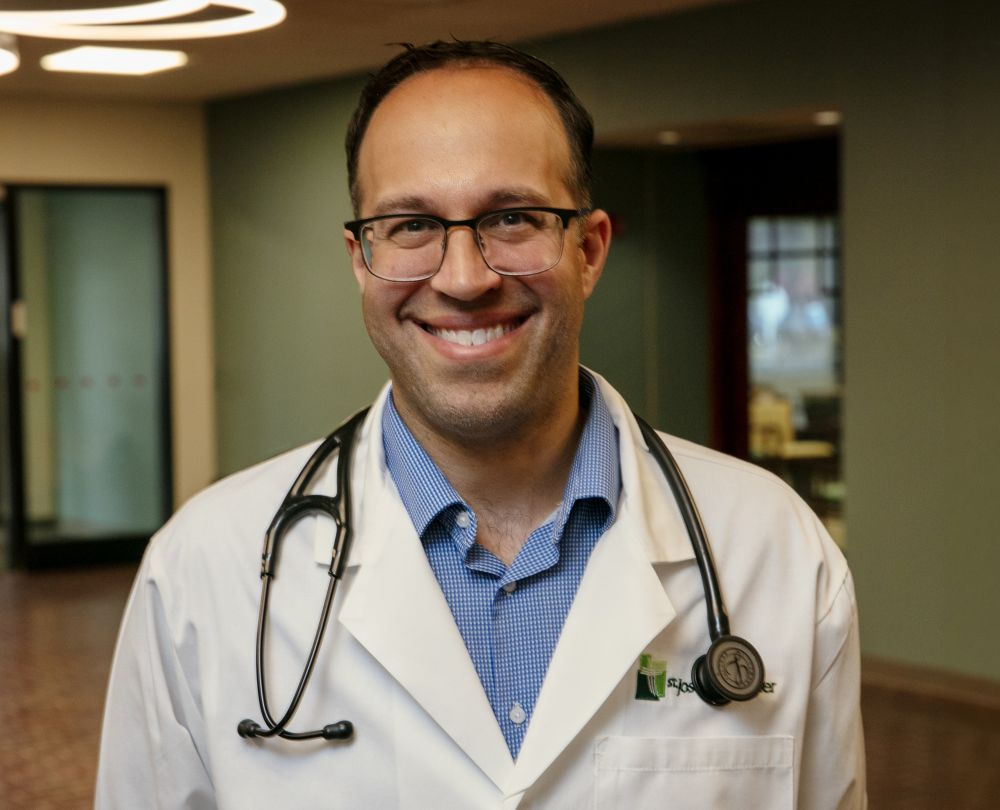
St. Joseph’s/Candler Neurohospitalist and Stroke Program Medical Director Dr. Brian Raj explains Transient Ischemic Attack
You may have heard someone say they had a “mini-stroke” or you are at risk of a “mini-stroke.”
While mini-stroke is not a medical term people use it to describe minor symptoms caused by a small stroke or TIA (Transient Ischemic Attack).
“When someone experiences stroke symptoms like transient weakness or heaviness over one side of their body, that’s something that needs to be evaluated right away.” says Dr. Brian Raj, St. Joseph’s/Candler neurohospitalist and Medical Director of the SJ/C Stroke Program. “Please don’t minimize your symptoms or hope they disappear on their own: listen to your body. It’s telling you something is wrong.”
What is a Transient Ischemic Attack (TIA)?
A TIA is caused by an abrupt blockage of blood flow to the brain that resolves without any permanent brain damage, says Dr. Raj. A TIA can result in common stroke symptoms which resolve within minutes to hours.
TIAs are common and affect about 240,000 Americans every. Because the symptoms of a TIA are brief people often do not seek medical attention. You may ask, “If the symptoms were so short, why do I need to see a doctor?” The unfortunate reality is that TIAs are often followed by a stroke which can cause permanent damage. In fact, about one in five people who have a TIA go on to have a more severe stroke within 90 days.
“When we see a patient who’s had a TIA, we want to identify and treat risk factors that put them at a higher risk of having a stroke in the future,” says Dr. Raj.
Symptoms to look out for
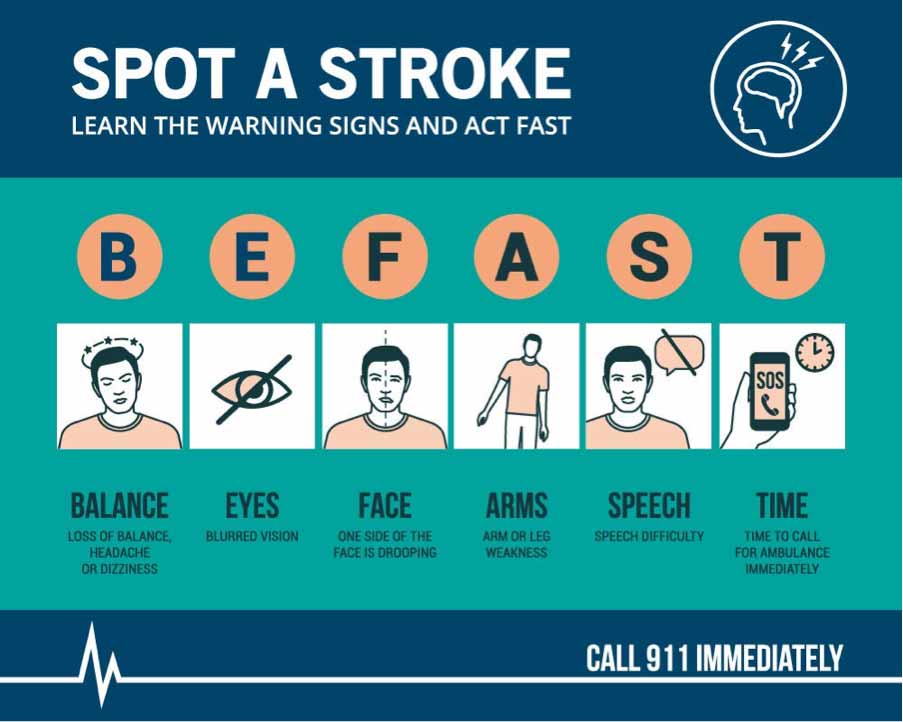
It’s important to take warning signs of a stroke seriously and develop an action plan. A helpful mnemonic advocated by the American Stroke Association is B.E.F.A.S.T., which describes some symptoms to watch out for.
B – Balance (a sudden change in coordination and balance)
E – Eyes (a sudden change in vision, loss of vision in one eye or double vision)
F – Facial drooping
A – Arm drifting, weakness or numbness
S – Speech is slurred or garbled or there’s an inability to speak at all
T – Time – Call 9-1-1 immediately
Related Article: What are the signs of a stroke?
“If you or a loved one have any of these symptoms seek immediate medical attention,” Dr. Raj says. “We tell people that TIME IS BRAIN. When someone has a stroke there is a period of time where brain tissue may have been damaged but has not died. Appropriate medical therapy, including medications that can break up blood clots given in the emergency department , can improve long term quality of life and reduce brain damage.”
Diagnosing and treating TIAs
A TIA is diagnosed based on a history and examination. Specific imaging, including a CT scan or an MRI, can help to distinguish between a TIA and an ischemic or hemorrhagic stroke. Because TIAs do not cause permanent brain damage, the MRI should show no signs of brain damage, Dr. Raj says.
If it’s confirmed you had a TIA, the next course of treatment would be identifying and reducing risk factors for a future stroke.
Risk factors and prevention
Knowing your risk factors and living a healthy lifestyle are the best things you can do to prevent a TIA or future stroke. Some risk factors for TIA you can control while others you can’t. Common risk factors include:
- Family history
- Age: Your risk increases as you get older
- Sex: Men have a lightly higher likelihood of a TIA and stroke, but more than half of deaths from strokes occur in women
- Race: African-Americans are at a greater risk of dying of a stroke
- Diabetes
- High blood pressure
- High cholesterol
- Cardiovascular disease, which includes heart failure, a heart defect, a heart infection or an abnormal heart rhythm
- Carotid artery disease or peripheral artery disease
- Excess weight
- Cigarette smoking
- Excessive alcohol use
By knowing these risk factors, controlling the ones you can and living a healthy lifestyle – don’t smoke, exercise regular, limit alcohol intake and follow a Mediterranean diet – you can lower your risk of a stroke.
And while a TIA serves as a warning sign of a future stroke, it also can be an opportunity to take steps to try to prevent it.
Related Article: Should I try a Mediterranean diet?
St. Joseph’s/Candler’s commitment to treating TIAs, strokes
St. Joseph’s/Candler is committed to reducing the number of deaths and permanent disabilities caused by stroke. A stroke team is available 24 hours a day and consists of emergency physicians, neurologists, neurosurgeons, neuroradiologists, neurohospitalists, nurses, therapists and paramedics.
To learn more about our Stroke Program and the Stroke NET-work, visit our website.