

How specialists treat rare gynecological cancers close to home
St. Joseph's/Candler Gynecological Oncologist Dr. Christopher Walker explains vulvar cancer and vaginal cancer and how they are treated right here in Savannah
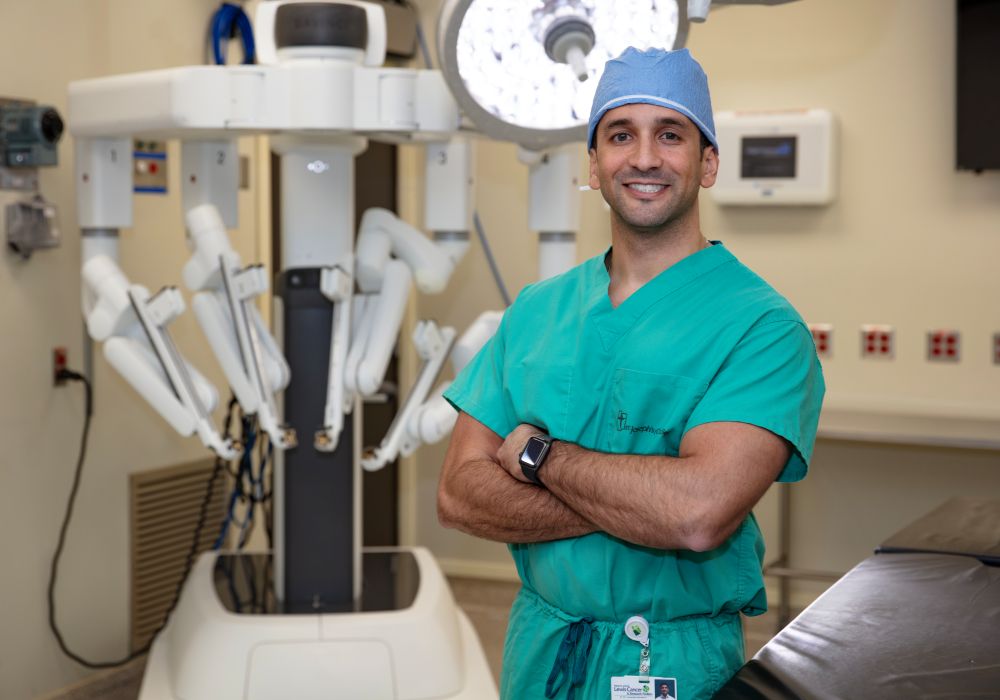
A cancer diagnosis is scary. And if the cancer is a rare type, a patient must often carry the added weight of traveling away from home to have access to all of their treatment options.
Vulvar and vaginal cancer are both considered rare gynecologic cancers, but for patients in coastal Georgia and the South Carolina Lowcountry, the burden of travel can be crossed off their list of concerns.
“Treating rare cancers requires specific skills and experience, which my colleague, Dr. Sarah Gill, and I have had the privilege of training for,” says Christopher Walker, MD, of Gynecologic Oncology at the Nancy N. and J.C. Lewis Cancer & Research Pavilion (LCRP). “It is incredibly gratifying to be able to offer this level of care in this region.”
Another potential barrier to diagnosis and treatment is the discomfort some women feel discussing the symptoms of vulvar and vaginal cancer, even with their OB/GYN.
“If you notice something out of the ordinary, please don’t wait to talk with your OB/GYN,” Dr. Walker says. “Early detection is crucial, allowing us to successfully treat the cancer before it spreads.”
What Is Vulvar Cancer?
The vulva is the outer part of the female genitalia. Most cancers of the vulva are squamous cell carcinomas, which means they begin in skin cells.
The risk of vulvar cancer rises as women age, with more than half of the cases occurring in women over age 70. However, any woman can develop vulvar cancer. In younger women, vulvar cancer is associated with human papillomavirus, or HPV. Papillomas, or warts, are not cancers, but some types of HPV have been linked to cancers of the vulva, vagina and cervix.
Other factors that can increase risk for vulvar cancer are smoking and a skin condition known as lichen sclerosus, which causes itchy, white patches. Women with cervical cancer also have an increased risk of developing vulvar cancer.

Symptoms of vulvar cancer can also be caused by other non-cancerous conditions, which make the possibility of vulvar cancer harder to recognize. These symptoms include itching that doesn’t go away or an area of skin that looks different from normal vulvar skin (this could mean thicker and lighter skin, or areas that look red or pink). Lumps or sores, especially ones that don’t heal, pain or burning sensations are also symptoms.
“Since this type of cancer can start out asymptomatic, they are often discovered during the exam with your OB/GYN,” Dr. Walker says. “That’s another reason why routine visits with your OB/GYN are so important.”
What Is Vaginal Cancer?
Vaginal cancer starts in the lining of the vagina. There are many different types, but as with vulvar cancer, the most common type is squamous cell carcinoma.
The primary risk factors for vaginal cancer are similar to those for vulvar cancer: age, HPV, smoking and having cervical cancer. However, research has shown that not all women with vaginal cancer have these risk factors.
Symptoms of vaginal cancer include abnormal bleeding or discharge, pain during intercourse, or a lump that can be felt.
“For post-menopausal women, any vaginal bleeding needs to be examined by your OB/GYN,” Dr. Walker says. “They may also need to perform a biopsy.”
How Are These Cancer Treated?
For both vulvar and vaginal cancer, Dr. Walker tailors his treatment to each individual patient, based on the type of cancer they have and its stage, as well as the age and overall health of the patient.
“If the cancer can be safely and completely removed in surgery, that is our first line of defense,” Dr. Walker says.
If the cancer has advanced to a higher stage, treatment may also require radiation therapy, chemotherapy or a combination of both.
No matter what treatment options are needed, patients will have access to a continuum of advanced and multidisciplinary care at the LCRP.
“The fact that these cancers are rare will not limit your options if you live in this area,” Dr. Walker says. “You won’t have to travel or go through treatment without your family and support system. Our training was designed to address the challenges of these less common cancers, and we have an incredible team here to care for you.”
Smart Health, Smart Living - The Latest Delivered to You
Want more health stories on topics that impact the health and wellbeing of you and your family? Learn about new technology, treatment options and how you can live a smarter, healthier life in our Smart Living publication.