
How to approach your diet when you're pregnant
St. Joseph's/Candler OB/GYN Dr. Katarina Fleckenstein offers advice to expecting moms on how to practice a healthy, but not boring diet during pregnancy
If you’re pregnant for the first time, you may hear from family or friends that you’ll be “eating for two.” But that famous expression implies that you can eat whatever you want, and the human growing inside of you will benefit.
Not quite.
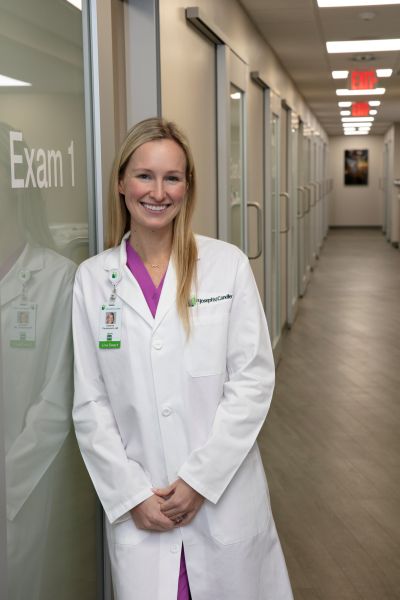
“We have a ton of research that demonstrates how a healthy diet supports a healthy weight at the time of delivery,” explains Katarina M. Fleckenstein, MD, of St. Joseph’s/Candler Physician Network – OB/GYN. “If a mom has an unhealthy diet, it can lead to the baby being born too small or too big, both of which can cause problems.”
So does this mean Dr. Fleckenstein puts her patients on a joyless, restrictive diet? Of course not.
“There is a way to eat healthy and yet still embrace a mindset of more rather than less,” Dr. Fleckenstein says. “That means more vegetables, more fruits, more healthy lean meats and more healthy grains.”
Dr. Fleckenstein doesn’t expect perfection from her patients, especially during the first trimester when they are dealing with nausea and can’t keep certain foods down. By the second trimester, most patients should be feeling better and can focus on what good things they can add to their diet.
Some of the odd cravings can actually be a signal to help moms know what their bodies need.
“If you are craving pickles, your body may need more salt,” Dr. Fleckenstein says. “If you’re craving ice cream, you may need more fat—but it should be a healthier fat, such as Greek yogurt or almond butter. You can get creative about managing cravings.”
For patients with certain conditions, such as gestational diabetes, there will be a sharper focus on limiting carbohydrates. Dr. Fleckenstein knows conversations about diet can be difficult and reminds her patients that she will be there as a support system every step of the way.
“It helps to focus on the why,” she says. “Healthy dieting can be challenging, but you are doing it for the health of your baby. In a way, it’s one of the first acts you can do as a mom.”
Smart Health, Smart Living - The Latest Delivered to You
Want more health stories on topics that impact the health and wellbeing of you and your family? Learn about new technology, treatment options and how you can live a smarter, healthier life in our Smart Living publication.