

Common conditions of the liver
Savannah Gastroenterologist explains one of the body's busiest organs and how to protect it from certain conditions
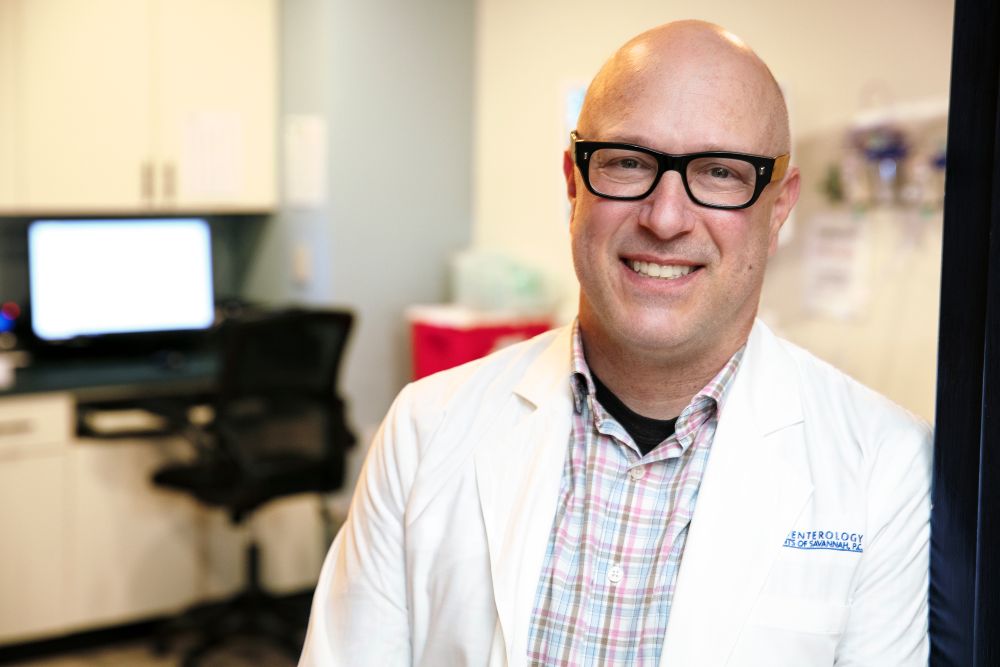
As a gastroenterologist, Matthew T. Mishoe, DO, has years of experience treating all the organs in the digestive system, including the stomach and esophagus, as well as the biliary organs, such as the gallbladder.
But he does have a favorite.
“I think the liver is the coolest organ in the body,” Dr. Mishoe says with a laugh. “Because it does so much different stuff.”
Indeed, the liver performs hundreds of functions for the body, with its biggest job being the filtering of harmful or useless substances from your blood. The spongy, reddish-brown organ, which sits under your ribs next to the stomach, also produces hormones and proteins, protects cells and breaks down fats in the blood to produce energy.
But such a hard-working organ is also susceptible to several types of disease, not all of which cause symptoms. These are some of the most common conditions that bring patients to Dr. Mishoe’s office at Gastroenterology Consultants of Savannah.
Steatotic Liver Disease
This condition is commonly known as fatty liver disease, because it occurs when too much fat builds up in liver cells. If left untreated, this can lead to inflammation and scarring, disabling the liver from functioning properly.
The most common type is metabolic dysfunction-associated steatotic liver disease, also known as non-alcoholic fatty liver disease. Risk factors for this condition include obesity, diabetes, high blood pressure and high cholesterol.
Another type is alcohol-associated liver disease. Heavy alcohol use over a long period damages the liver’s ability to process fats.
A popular misconception is that only patients who are obese or who abuse alcohol can develop steatotic liver disease, but that’s not always the case.
“I’ve treated 80-year-old women who don’t weigh more than 100 pounds and have never had a drop of alcohol, but they have scarring from fatty liver disease that they either didn’t know about or didn’t think was that serious,” Dr. Mishoe says. “The cause may have been a lifetime of Southern cooking.”
Lifestyle changes can make a huge difference in the health of the liver, especially when the condition is discovered early.
“Fat is the body’s storage unit of energy,” Dr. Mishoe says. “Exercise is how you use that energy up, even if you are just walking a few times a week. Also, avoiding a carb-heavy diet is important.”
Viral Hepatitis
Inflammation of the liver is called hepatitis. It is caused by different viruses, with the most common labeled as hepatitis A, B or C. Hepatitis A usually spreads through contaminated food or water and often causes a mild illness.
Hepatitis B and C are more serious and spread through contact with infected blood or body fluids. If left untreated, they can lead to permanent liver scarring or even cancer.
Vaccination is the most effective way to prevent hepatitis A and B. Hepatitis C does not have a vaccine, but it can be treated with antiviral medications.
“These hepatitis C medications have been a game-changer,” Dr. Mishoe says. “We can treat it and cure it now.”
Autoimmune Disorders
While not as common as fatty liver disease or viral hepatitis, autoimmune disorders of the liver require the expertise of a gastroenterologist like Dr. Mishoe. The three main types are autoimmune hepatitis, in which the immune system mistakenly attacks healthy liver cells, causing swelling; primary biliary cholangitis, which targets the bile ducts that carry fluid out of the liver; and primary sclerosing cholangitis, which causes the bile ducts to become scarred and blocked.
“Certain medications can help reduce inflammation and prevent permanent scarring,” Dr. Mishoe says.
Fixing It Early
Potential liver conditions can sometimes be noticed through routine lab work with your primary care physician. If liver-related lab results don’t improve over time, that typically leads to a referral to Dr. Mishoe, who is ready to dive in and find out what is going on with what he considers the most fascinating organ in the body.
“This liver has the capacity to regenerate,” Dr. Mishoe says. “It can improve and get better, but you have to address what is causing the problem as early as possible. That’s how you avoid the scarring and other chronic issues. Find out what’s going on and fix the problem early.”
Smart Health, Smart Living - The Latest Delivered to You
Want more health stories on topics that impact the health and wellbeing of you and your family? Learn about new technology, treatment options and how you can live a smarter, healthier life in our Smart Living publication.