

How to treat lower back pain
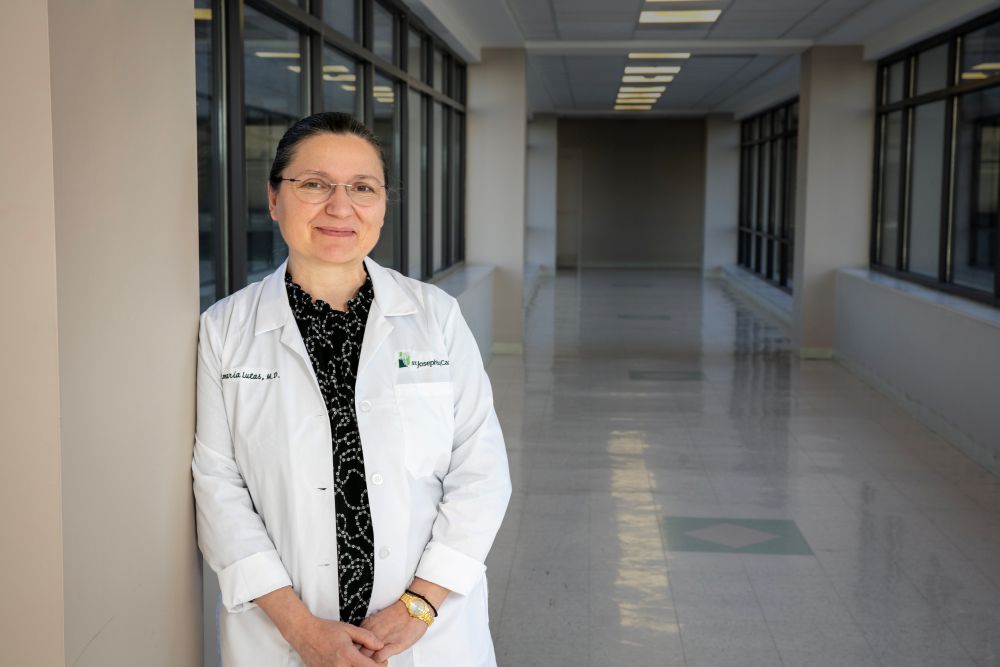
St. Joseph's/Candler Primary Care Provider Dr. Anemaria Lutas explains how she helps patients approach common back pain
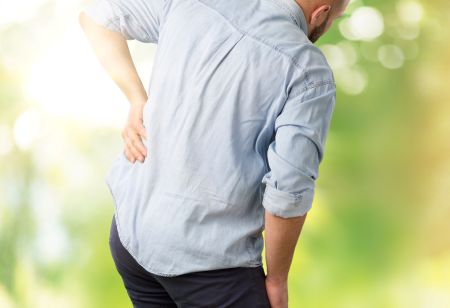
There’s an old joke about aging and back pain which goes something like, “I've reached the age where my back goes out more than I do.”
If that quip resembles your life right now, it doesn’t have to be this way.
“Back pain is not inevitable when you get older,” says Anemaria Lutas, MD, a primary care physician at St. Joseph’s/Candler Primary Care in Bluffton. “If it does happen, it is mostly often non-specific and self-limited, which means that there is no underlying disease, and it will go away on its own or with conservative treatment.”
When patients come to Dr. Lutas with complaints of back pain, her first step is to look for red flags of serious conditions. She will ask for a detailed history and examine you for symptoms such as numbness, urinary retention, fever, weight loss or weakness in the legs. This helps to rule out urgent causes such as spinal cord compression, infection, cancer or vertebral fracture.
“If there are no red flags, we can treat conservatively,” Dr. Lutas says. This can include heating pads and over-the-counter pain relief. Topical creams and gentle stretching may also help.
Dr. Lutas will advise patients to lower their exertion for a few days, but she will never tell them to lie in bed all day.
“Light and gentle movement will give you the best benefit over the long run,” she says. “But some people with back pain want to stop moving completely. You can’t do that; it will only make it worse.”
On the other hand, some patients try to maintain their regular activity level without giving their back time to heal.
“You need to give yourself a few days to take it easy,” Dr. Lutas says. “Maybe you golf every day. I’d ask you to give that up for about a week. Just walk instead.”
Daily life can often present moments when a person needs to lift objects and twist their body. Dr. Lutas asks her patients to be mindful of these movements that were once automatic.
“You may be used to bringing in all your bags of groceries in one trip,” she says. “You should adjust that so you aren’t lifting everything at once. Take a few more trips to the car and give yourself a lighter load.”
If the pain persists or worsens over the next four to six weeks, Dr. Lutas will order an X-ray. This is again to rule out more serious conditions such as compression fractures, osteoarthritis or cancer.
“And if the X-ray looks fine, with no red flags, I refer my patients to physical therapy,” Dr. Lutas says. “The exercises that you can learn there are so helpful. I’ve seen that just 15 minutes a day of doing the exercises that your physical therapist taught you can help keep you out of the doctor’s office. Even if your lower back pain does become chronic, you can manage it with proper exercise and stretching and remain independent.”
Back Support
If back pain is not an inevitable part of aging, what can we do to prevent it? It turns out that protecting your spine and back muscles is mostly about consistent habits.
One of the best defenses against back pain is a strong core. This doesn't mean you need to do hundreds of sit-ups, but it does mean keeping the muscles in your stomach and back firm enough to hold your spine in place. Low-impact activities like walking, swimming or water aerobics are excellent because they build strength without putting harsh pressure on your joints.
And, as Dr. Lutas notes, simply how you move during the day matters too. Be mindful of:
Lifting: Always bend at your knees, not your waist. Keep the object close to your body and focus on using your leg muscles, not your back muscles, to lift it.
Sitting: If you spend a lot of time sitting, use a chair with good lower back support and keep your feet flat on the floor.
Stretching: Gentle stretching helps increase flexibility, reduce stiffness and relieve pressure on your lower back.
Diet and exercise: Maintaining a healthy weight reduces the load on your vertebrae. Regular, gentle movement increases the range of motion and reduces tension in the spine and surrounding muscles.
Smart Health, Smart Living - The Latest Delivered to You
Want more health stories on topics that impact the health and wellbeing of you and your family? Learn about new technology, treatment options and how you can live a smarter, healthier life in our Smart Living publication.