

Treating sepsis requires early recognition and emergency care
Ask A Magnet Nurse
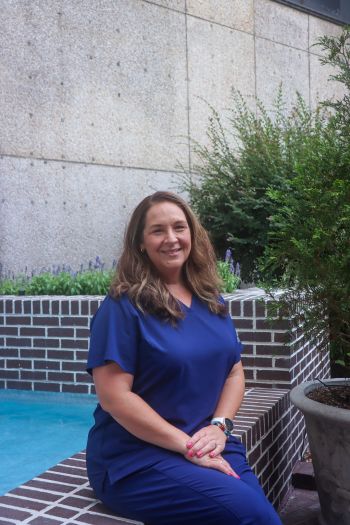
Liz McClellan BSN, RN
Sepsis Coordinator
St. Joseph’s/Candler
Smart Living: Sepsis awareness has grown recently following the death of NASCAR driver Kyle Busch at age 41. But for those still unfamiliar with sepsis, what is this condition and why is it potentially fatal?
Liz McClellan: Sepsis is a medical emergency caused by the body's overwhelming response to an infection. That level of dysregulation in the body can lead to organ failure. Most cases originate at home, stemming from common ailments like pneumonia, urinary tract infections or wounds. Sepsis can happen to anyone at any age, and it presents uniquely in every patient. But some common warning signs include fever, shortness of breath, a rapid heart rate, and sudden confusion, especially in older adults.
There are two important takeaways for the public to learn about sepsis. First, if you are prescribed antibiotics, take them all until they are finished, even if you start to feel better. Second, if you are treating an infection at home, but you don’t improve and you continue to feel extremely ill, you need to be seen by a physician.
SL: What is your role in the hospital as Sepsis Coordinator?
LM: My job is to provide ongoing training to physicians, nurses and staff on how to recognize sepsis early and provide life-saving treatments. There are certain protocols that we must follow to ensure that we are providing the most effective care within a certain timeframe. We also recently launched a digital surveillance tool that monitors patient vitals and alerts staff to potential early signs of sepsis. Nurses can go in, do a quick assessment to determine if it is sepsis, and start emergency care right away.
Smart Health, Smart Living - The Latest Delivered to You
Want more health stories on topics that impact the health and wellbeing of you and your family? Learn about new technology, treatment options and how you can live a smarter, healthier life in our Smart Living publication.