

The strategy of complex heart care
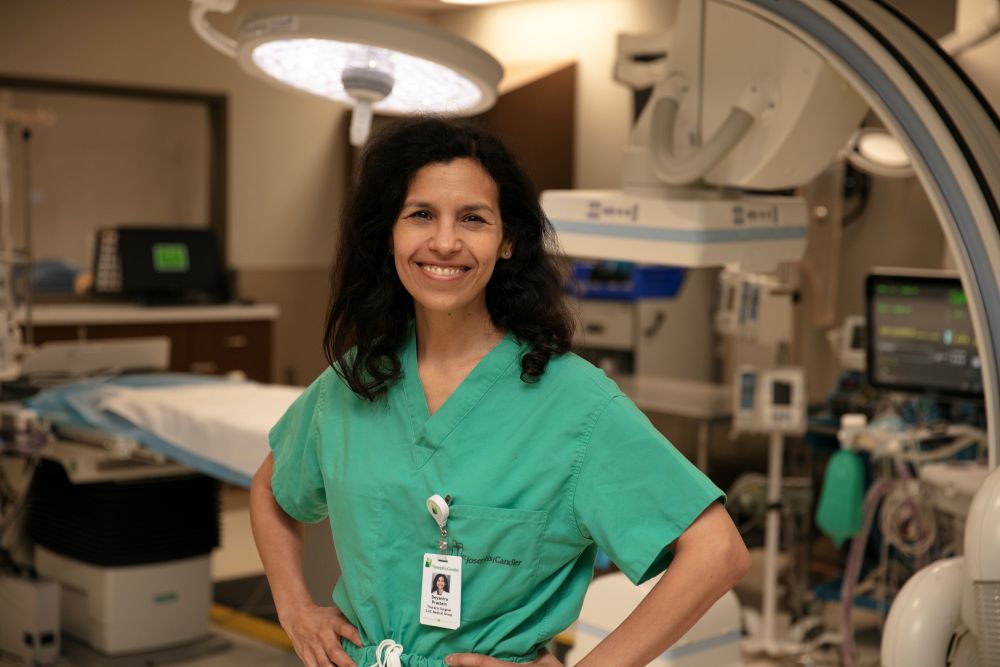
St. Joseph's/Candler Cardiothoracic Surgeon Dr. Deyanira Prastein explains certain heart conditions that require surgery
The heart is not just a vital organ; it’s also a complex one, with four chambers, intricate valves and even an electrical system. Its 60 to 100 beats per minute are what power your entire cardiovascular system, ensuring all of your other vital organs have the fuel they need to function.
Treating heart disease is also quite complex. For some heart conditions, patients will need to see a cardiologist. For others, they will need to see a cardiothoracic surgeon. And, in some cases, they’ll get treated by both.
“We share much of the same population of patients and we manage the same disease processes,” explains Deyanira J. Prastein, MD, of St. Joseph’s/Candler Physician Network – Cardiothoracic Surgery. “So I understand that some patients may not be sure what the difference is between a cardiologist and me. And the fact is, although we have different specialties, we work very closely together. We collaborate on what treatment is best for the patient.”
Your Heart’s Heroes
Physicians who treat the heart include:
- Cardiologists: Doctors who specialize in diagnosing and treating heart and blood vessel diseases through physical exams, tests, and medication.
- Interventional Cardiologists: These cardiologists are trained in minimally invasive, catheter-based procedures that treat structural issues, such as blocked arteries or certain heart valve problems. This includes placing a stent—a tiny, expandable tube that opens a narrowed artery to restore blood flow to the heart.
- Cardiothoracic/Cardiovascular Surgeons: These are surgeons who perform major operations on the heart, including bypass surgery and heart transplants. They handle the most invasive heart repairs.
The severity of the patient’s condition often determines which specialist they will see for treatment. Some heart blockages require bypass surgery if they are in hard-to-reach locations, severely hardened, or involve extensive, multi-vessel disease that cannot be safely treated with stents.
“There is a spectrum of treatments for heart conditions,” Dr. Prastein says. “Some people need less, some people need more. This is why we collaborate so closely with cardiology. We pursue only the safest, most effective and personalized treatment plan for each of our patients.”
Dr. Prastein also performs surgery for emergencies such as an aortic dissection, in which the inner layer of the body’s main artery tears, which can lead to a complete rupture and rapid, fatal blood loss.
“We see those patients directly from the ED,” she explains. “Aortic tears typically present with a sudden, severe pain in the chest, back or neck. If you or a loved one experiences that kind of symptom, call 911 and get to the ED immediately.”
The TAVR Team
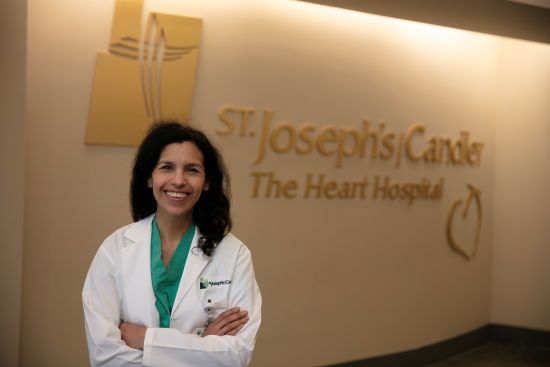
For cases that involved heart valve repair or replacement, cardiothoracic surgeons used to have to perform open-heart surgery. But today, they can team up with an interventional cardiologist in the operating room. The two specialists will work together with a dedicated team at The Heart Hospital at St. Joseph’s Hospital to perform a transcatheter aortic valve replacement, or TAVR, procedure.
With TAVR, a catheter is inserted through the leg or neck to place a new prosthetic valve while the heart continues to beat. This procedure is designed for patients with aortic stenosis, a very common condition, particularly in older adults, in which the narrowing of the aortic valve restricts blood flow. Left untreated, aortic stenosis can become severe and even life-threatening. Before TAVR, patients who were too high-risk for surgery had no other viable treatment options.
“Now we can replace that valve without ever having to make a cut,” Dr. Prastein says. Her role during the TAVR procedure is to provide immediate care for potential life-threatening complications, such as cardiac perforation or vessel rupture, that may require emergency open-heart surgery.
The Best Path For Each Patient
Once patients understand how their case has led to a referral to Dr. Prastein, they are grateful for the multidisciplinary approach to their heart care.
“The collaborative result of expertise, clinical data and combined years of experience is the optimal treatment pathway for each patient,” Dr. Prastein says. “That’s how we ensure that everyone receives the most clinically appropriate intervention, which leads to optimizing long-term cardiovascular health and restoration.”
Smart Health, Smart Living - The Latest Delivered to You
Want more health stories on topics that impact the health and wellbeing of you and your family? Learn about new technology, treatment options and how you can live a smarter, healthier life in our Smart Living publication.