
Cancer
FAQ: Lung cancer - screening, symptoms and treatment at St. Joseph's/Candler
Table of Contents:
- What Is Lung Cancer and Who Does It Impact
- Why Early Detection Matters
- Lung Cancer Screening at St. Joseph's/Candler
- Understanding Lung Cancer Stages
- Lung Cancer Causes and Risk Factors
- Symptoms That Warrant a Doctor Visit
- SJ/C Lung Cancer Doctors and Treatment Options
- Additional SJ/C Lung Cancer Support Services
- FAQs
The statistics may seem dreary: the second most common cancer diagnosis and the leading cancer killer in both men and women.
- Lung cancer causes more deaths each year than colon, breast and prostate cancer combined.
- An estimated 124,990 deaths and 229,410 new diagnoses are expected in the U.S. in 2026, according to the American Cancer Society.
- Yet when it’s caught early, treatment options increase and outcomes improve.
- Nearly three out of four lung cancers aren't diagnosed until they've reached an advanced stage.
- Annual low-dose CT screening for eligible patients matters so much
St. Joseph's/Candler's Advanced Thoracic Oncology Center is an ACR-designated Lung Cancer Screening Center, offering advanced imaging, a full multidisciplinary care team, and personalized treatment plans close to home.
For National Lung Cancer Screening Day, St. Joseph's/Candler and the Nancy N. and J.C. Lewis Cancer & Research Pavilion are offering free lung cancer screening CT scans for a limited number of patients who meet certain criteria. Learn more and sign up now.
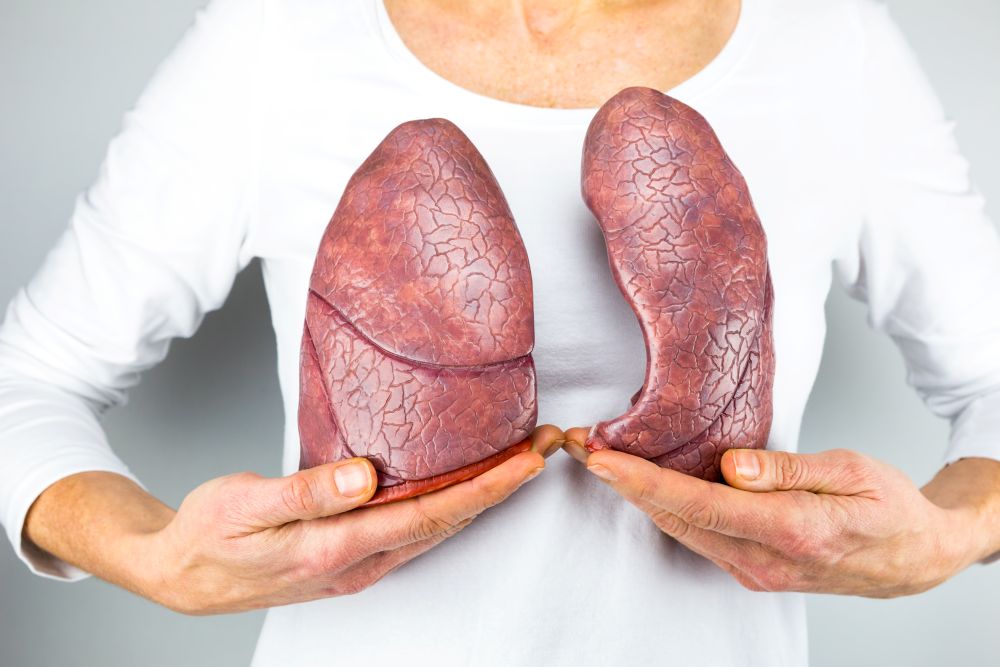
Related Article: Lung cancer screening detects the disease early, improves survival chances
Read on to learn who's at risk, what lung cancer screening involves, and how St. Joseph's/Candler's thoracic oncology team can guide you through every step, from your first scan to survivorship.
What is lung cancer and who does it impact?
Lung cancer develops when cells in the lungs begin growing uncontrollably, often forming a tumor that can interfere with breathing and, without treatment, spread to other parts of the body.
Lung cancer is generally grouped into two main types: non-small cell lung cancer (NSCLC), which accounts for roughly 77 percent of cases, and small cell lung cancer (SCLC), which accounts for about 13 percent of cases, reports the American Cancer Society, and tends to grow and spread more quickly.
Lung cancer mainly affects older adults. The average age at diagnosis is about 70, and most cases are diagnosed in people 65 and older. While smoking is the leading risk factor, nonsmokers can develop lung cancer nodules too.
No matter who it affects, lung cancer is most treatable when it's caught early and managed by an experienced care team. At the Nancy N. and J.C. Lewis Cancer & Research Pavilion, St. Joseph's/Candler's Advanced Thoracic Oncology Center brings together specialized physicians, advanced technology and personalized treatment plans to support every patient through diagnosis and beyond.
Why early detection matters?
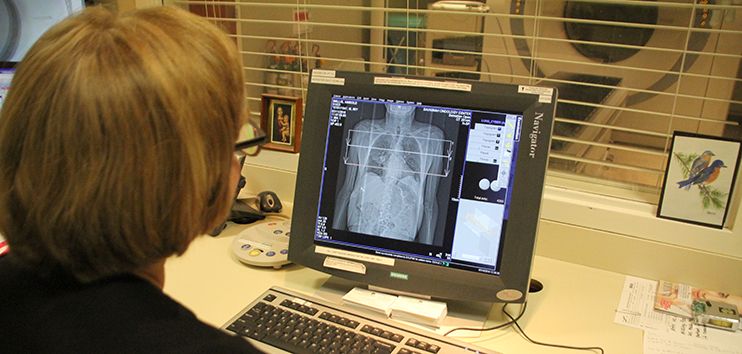
Early detection is one of the biggest factors in lung cancer survival. When a lung cancer nodule is found before it spreads, patients have more treatment options since it is still at an earlier stage.
This is exactly why annual low-dose CT screening matters so much for eligible patients. Screening can catch lung nodules before symptoms ever appear, giving physicians more time and more treatment options to work with.
What kind of lung cancer screening does St. Joseph's/Candler provide?
A lung cancer screening uses a low-dose CT scan to detect lung nodules that may be cancerous. This quick, non-invasive test allows radiologists to identify potential signs of lung cancer early, often before symptoms appear.
St. Joseph's/Candler's lung cancer screening program is designated an ACR Lung Cancer Screening Center by the American College of Radiology, meaning the program meets the highest standards for accurate, reliable imaging and results.
Screening requires a physician referral each year. First-time patients also complete a shared decision-making visit, a conversation with a provider about the benefits, risks and eligibility for screening, as well as tobacco cessation support.
SJ/C lung cancer screening locations
St. Joseph's/Candler makes lung cancer screening accessible across the region. You can schedule a screening at any of the following Center for Imaging Services locations:
For National Lung Cancer Screening Day, St. Joseph's/Candler and the Nancy N. and J.C. Lewis Cancer & Research Pavilion are offering free lung cancer screening CT scans for a limited number of patients who meet certain criteria. Learn more and sign up now.
Find a location near you or call 912-819-5169 to ask about scheduling a lung cancer screening.
Understanding lung cancer stages
Once lung cancer is diagnosed, your St. Joseph's/Candler's cancer care team determines the stage and if the cancer has spread to build the most effective treatment plan. This is broken down into different stages:
- Stage 0-I (localized): Cancer is confined to the lung and hasn't spread to lymph nodes or other organs. Surgery alone may be enough at this stage.
- Stage II-III (regional): Cancer has spread to nearby lymph nodes or tissue. Treatment often combines surgery, chemotherapy, radiation, or a combination.
- Stage IV (distant/metastatic): Cancer has spread to other organs. Treatment focuses on systemic therapies, such as chemotherapy, immunotherapy, or targeted therapy, to control the disease and manage symptoms.
St. Joseph's/Candler's thoracic oncology team reviews every case through tumor board meetings, where specialists across disciplines collaborate on a personalized treatment plan guided by National Comprehensive Cancer Network (NCCN) guidelines.

Lung cancer causes and risk factors
While no single factor guarantees a lung cancer diagnosis, several causes and risk factors can play a large part in how lung cancer forms.
Risk factors you cannot change
- Age: Risk increases with age; most cases are diagnosed in people 65 and older.
- Family History: Having a close relative with lung cancer can raise your risk.
- Personal Cancer History: A prior history of lung cancer or certain other cancers increases risk of recurrence or a new diagnosis.
- Prior Radiation Therapy: Radiation to the chest for an earlier cancer can raise lung cancer risk later in life.
Risk factors you can change
- Smoking: Cigarette smoking is the leading cause of lung cancer, with cigar and pipe smoking also raising the risk.
- Secondhand Smoke: Regular exposure to someone else's smoke can be just as harmful, even for lifelong nonsmokers.
- Radon Exposure: Radon gas, which can build up in homes, is the second-leading cause of lung cancer in the U.S.
- Occupational Exposures: Long-term exposure (even in small amounts) to substances like asbestos, diesel exhaust, or certain industrial chemicals can raise risk.
- Air Pollution: Long-term exposure to polluted air has been linked to a modestly increased risk.
Understanding the main causes of lung cancer can help to lower your risk. Schedule an appointment with an SJ/C primary care provider today to discuss your lung health.
Struggling to quit smoking? We can help with that as well through our cessation program.
Lung cancer symptoms that warrant a doctor visit
Lung cancer often causes no symptoms in its earliest, most treatable stages, which is a major reason routine screening matters for eligible patients. When symptoms do appear, they can include:
- A new cough that doesn't go away, or a chronic cough that gets worse
- Coughing up blood or rust-colored mucus
- Chest pain that worsens with deep breathing, coughing, or laughing
- Shortness of breath or new wheezing
- Hoarseness
- Unexplained weight loss and loss of appetite
- Fatigue or weakness
- Recurring infections, such as bronchitis or pneumonia
If you notice any of these changes, bring it to your doctor's attention right away.
St. Joseph’s/Candler lung cancer treatment options
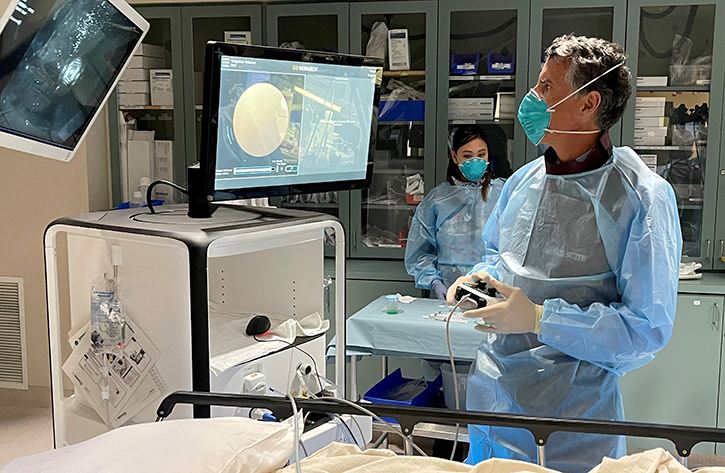
If a diagnosis does happen, St. Joseph's/Candler's Advanced Thoracic Oncology Center offers a full continuum of care led by Dr. M. Douglas Mullins, Interventional Pulmonologist and Medical Director of the Advanced Thoracic Oncology Center, and Dr. Marc Bailey, Thoracic Surgeon.
This collaborative team includes:
- Medical and thoracic oncologists
- Thoracic surgeons
- Interventional pulmonologists
- Radiologists
- Oncology nutritionists
- Patient and lung screening navigators
Lung cancer treatment options at St. Joseph's/Candler may include:
- Bronchoscopy
- Surgery (including minimally invasive and robotic-assisted approaches)
- Radiation oncology
- Chemotherapy and infusion therapies
- Immunotherapy and targeted therapy
- Clinical trials
Patients recently diagnosed with lung cancer, or those with a concerning finding on a scan, can also be seen quickly through the Rapid Access Lung Treatment Program, a cornerstone of St. Joseph's/Candler's patient-first approach to thoracic care.
For more information about which of our lung cancer treatment options is right for you, schedule an appointment with one of the physicians at the Advanced Thoracic Oncology Center.
Additional SJ/C lung cancer support services
No two lung cancer journeys look the same, and patients don't have to navigate any part of it alone. St. Joseph's/Candler surrounds treatment with a full range of support services, including:
- Support groups
- Medication counseling
- Genetic counseling
- Nutritional counseling
- Rehabilitative services
- Survivorship programs
To view all our cancer treatment options, for patients and their families, visit the LCRP website.
Lung Cancer Frequently Asked Questions
What are the first signs of lung cancer?
Early-stage lung cancer often causes no symptoms at all, which is why annual screening matters for eligible patients. When symptoms do appear, a persistent cough, chest pain, shortness of breath, and unexplained weight loss are among the most common.
Who qualifies for lung cancer screening?
You may qualify for annual lung cancer screening if you:
- Are between 50 and 80 years old
- Have a 20 pack-year or greater smoking history (for example, a pack a day for 20 years, or two packs a day for 10 years)
- Currently smoke, or have quit within the past 15 years
- Show no current signs or symptoms of lung cancer
A physician referral is required.
What's the difference between small cell and non-small cell lung cancer?
Non-small cell lung cancer (NSCLC) is the more common form, making up about 77% of cases, and tends to grow more slowly. Small cell lung cancer (SCLC) is less common but tends to grow and spread more quickly, often requiring a different treatment approach.
Is lung cancer curable?
Outcomes depend heavily on the stage at diagnosis. Lung cancer found at an early, localized stage is far more treatable than cancer found after it has spread, which is a key reason St. Joseph's/Candler emphasizes annual screening for eligible patients.
How is lung cancer diagnosed?
Diagnosis typically starts with a low-dose CT scan, followed by additional imaging or a biopsy if a suspicious lung nodule is found. St. Joseph's/Candler's Rapid Access Lung Treatment Program helps get patients answers and a treatment plan quickly.
Take the next step: Lung cancer care close to home
Lung cancer can feel overwhelming, but you don't have to face it without a plan or a team behind you. From your first screening to survivorship and beyond, St. Joseph's/Candler brings together advanced imaging, experienced specialists, and a full continuum of care designed around you, not just your diagnosis.
Call 912-819-5757 to ask about lung cancer screening, or if you've already received a diagnosis, connect with a specialist at the Nancy N. and J.C. Lewis Cancer & Research Pavilion to build your personalized treatment plan.